Best time to visit: December to February or July to September (to avoid the two ‘short rains’ and ‘long rains’ rainy seasons).

Best time to visit: December to February or July to September (to avoid the two ‘short rains’ and ‘long rains’ rainy seasons).
The climb is not technical but requires good endurance in this high altitude setting. There are six routes to the summit, involving a trek of between 5 to 8 days to reach the summit. There are nature trails to enjoy and cultural experiences available, a memorable visit to Kilimanjaro National Park doesn’t have to include a climb to the mountain’s summit.
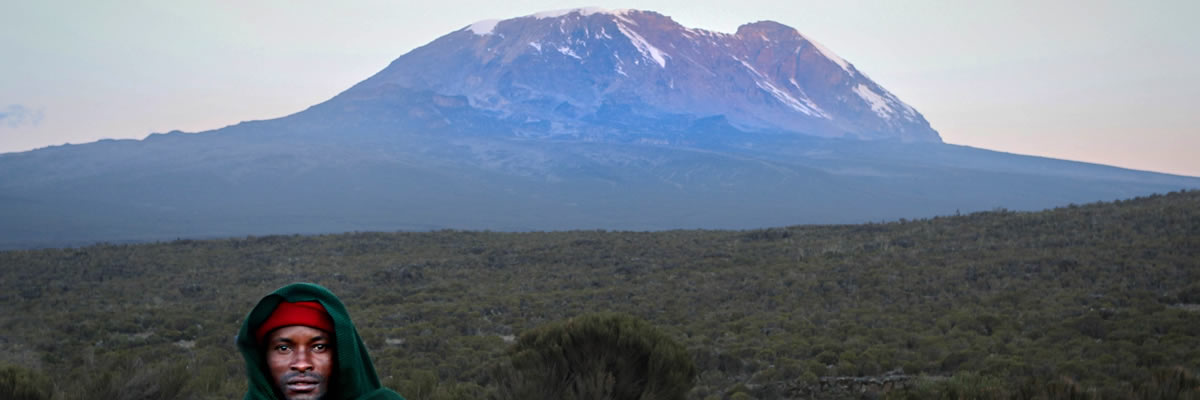
Home to Africa’s tallest mountain and the highest free-standing mountain in the world, Mount Kilimanjaro is dominated by the stunning vistas that ‘Kili’ provides.
Standing at 5,895 metres (19,340 feet), Mount Kilimanjaro is one of the world’s most accessible summits; climbers from around the world flock to its base in hopes of reaching and standing on its remarkably accessible peak. That isn’t to say that reaching Uhuru Point isn’t a massive achievement, but its lower reaches can be explored without any formal climbing training or professional equipment.
Beyond the climbing experience, Kilimanjaro offers the opportunity to explore a number of distinct climate zones as you ascend from the tropical savannah all the way up to the mountains snow-capped peak.